A Study About CBD: The Way It Operates in Your Body


CBD, commonly referred to as cannabidiol, is experiencing great popularity in the past few years as a holistic remedy for a variety of ailments. Extracted from the hemp plant, CBD is one of numerous cannabinoids present in cannabis, together with others like THC, cannabigerol, and CBN. In contrast to its better-known counterpart THC, CBD is not psychoactive, meaning it does not produce the high associated with cannabis use. This unique property has made CBD attractive for those looking for relief without the mind-altering effects of THC.
The science behind how CBD works in the body is fascinating and complicated. CBD engages with the endocannabinoid system, a vital regulatory system in the human body that helps preserve balance and stability. Through its engagement with cannabinoid receptors, CBD can affect various physiological processes, including pain perception, regulation of mood, and immune responses. As researchers continue to discover the intricacies of CBD and its possible benefits, understanding its relationship with additional cannabinoids, like CBN and CBG, offers a deeper understanding into the healing potential of the cannabis plant.
What’s CBD?
Cannabidiol, better known as CBD, represents a botanical compound found in the hemp plant. It is one of over one hundred cannabinoids recognized in cannabis and pot. Unlike its more infamous counterpart, Delta-9-THC, CBD does not typically produce mind-altering effects, meaning it does not usually cause the "euphoria" connected with marijuana use. This quality has made CBD particularly appealing to those seeking relief from different ailments free from the mind-altering effects of THC.
CBD interacts with the body’s endocannabinoid system, which plays a vital role in regulating a range of activities including mood, hunger, pain sensation, and immune response. By interacting with cannabinoid receptors in the brain and throughout the body, CBD may assist in promote homeostasis and stability. This interaction is considered to add to its multiple therapeutic benefits, such as reducing anxiety, alleviating chronic pain, and boosting sleep patterns.
In addition with CBD, other cannabinoids including CBN, CBG, and THC also have individual properties and effects. While CBD has gained considerable popularity for its potential health benefits, understanding its role among the array of cannabinoids is important for appreciating the full spectrum of what marijuana can offer.
The Endocannabinoid System
An endocannabinoid network, also known as the ECS, is an sophisticated system of cellular receptors, enzymes, and endocannabinoids that performs a crucial function in upholding balance in the body. Identified in the beginning of the 1990s, this system plays a part in modulating multiple number of bodily activities, including mood, slumber, appetite, and immune response. The system includes two key types of receptors, CB1 and CB2, that located throughout our body. The CB1 receptors tend to be primarily found in the brain and CNS, while the CB2 receptors are generally found in the peripheral nervous system and immune system.
Endocannabinoids, which exist as naturally occurring compounds produced by our body, engage with the receptors to aid regulate processes such as pain response, memory, and inflammation. Cannabidiol, a prominent many cannabinoids derived from the plant, does not bind directly to the receptors. Alternately, it affects the ECS by increasing the availability of endocannabinoids and altering other receptor systems within the body. This special interaction distinguishes CBD apart from the psychoactive component of cannabis, that directly binds to the CB1 receptors.
Investigations into this ECS and its various interactions with cannabinoids such as|like CBD, the cannabinoid CBN, and CBG is still ongoing. Researchers are investigating how these compounds can might boost the body's natural regulatory systems and contribute to therapeutic benefits. Comprehending the ECS is vital in unraveling its full capabilities of cannabinoids and the compounds' function in enhancing total health and wellness.
How CBD Engages with Your System
Cannabidiol, or CBD, engages with the human endocannabinoid system, which plays a crucial role in ensuring homeostasis. This system is made up of receptors, bioactive compounds, and endocannabinoids that help control various physiological processes, including mood, pain, inflammation, and hunger. When cannabidiol is introduced into the body, it binds to the cannabinoid type 1 and CB2 receptors mainly found in the central nervous system and defense system. However, unlike THC, CBD does not produce a psychoactive effect, allowing it to affect the body without the high associated with marijuana.
Research suggests that cannabidiol may adjust the function of these binding sites, enhancing the natural endocannabinoids' effects. This modulation can lead to a decrease in perceived discomfort and inflammation, making CBD a potential therapeutic option for conditions like joint pain or chronic discomfort. Additionally, cannabidiol might help in regulating sleep patterns and reducing anxiety by promoting a sense of tranquility and ease, further showcasing its varied interactions within the endocannabinoid system.
Moreover, CBD's interaction isn't limited to just the cannabinoid receptors. It also influences other receptor systems in the body, including 5-HT receptors. This interaction can have a positive impact on mood and tension levels. The synergistic effects of CBD with additional cannabinoids, such as CBG and CBN, can enhance its overall therapeutic potential, creating a more harmonious and integrated approach to health and well-being.
Comprehending Delta-9
Delta-9 tetrahydrocannabinol, commonly known as the most well-known psychoactive compound is a key psychoactive element found in cannabis. It is primarily responsible for the intense high that many users feel when using marijuana. This compound binds to the cannabinoid receptors in the neurological pathways, especially the CB1 receptors, leading to various effects such as altered perception, boosted appetite, and relaxation. This compound plays a significant role in users' experiences with cannabis, differentiating it from non-psychoactive cannabinoids like CBD.
The effects of Delta-9 can fluctuate significantly based on multiple factors, including the strain of cannabis, the method of consumption, and individual biochemistry. While many users seek out Delta-9 THC for its recreational benefits, some may use it for medicinal purposes, such as pain relief, calming anxiety, or stimulating appetite. Research has indicated that Delta-9 can be effective in treating various medical conditions, making it an integral compound in both therapeutic and recreational cannabis use.
Understanding Delta-9 THC is vital for grasping how it interacts with the body's endocannabinoid system. This system plays a key role in maintaining homeostasis and regulating multiple bodily functions. By attaching to the CB1 receptors, Delta-9 THC can influence neurotransmitter release, thus influencing mood, memory, and coordination. As the cannabis industry continues to develop, the implications of Delta-9 on health and wellness remain a central topic of study and public interest.
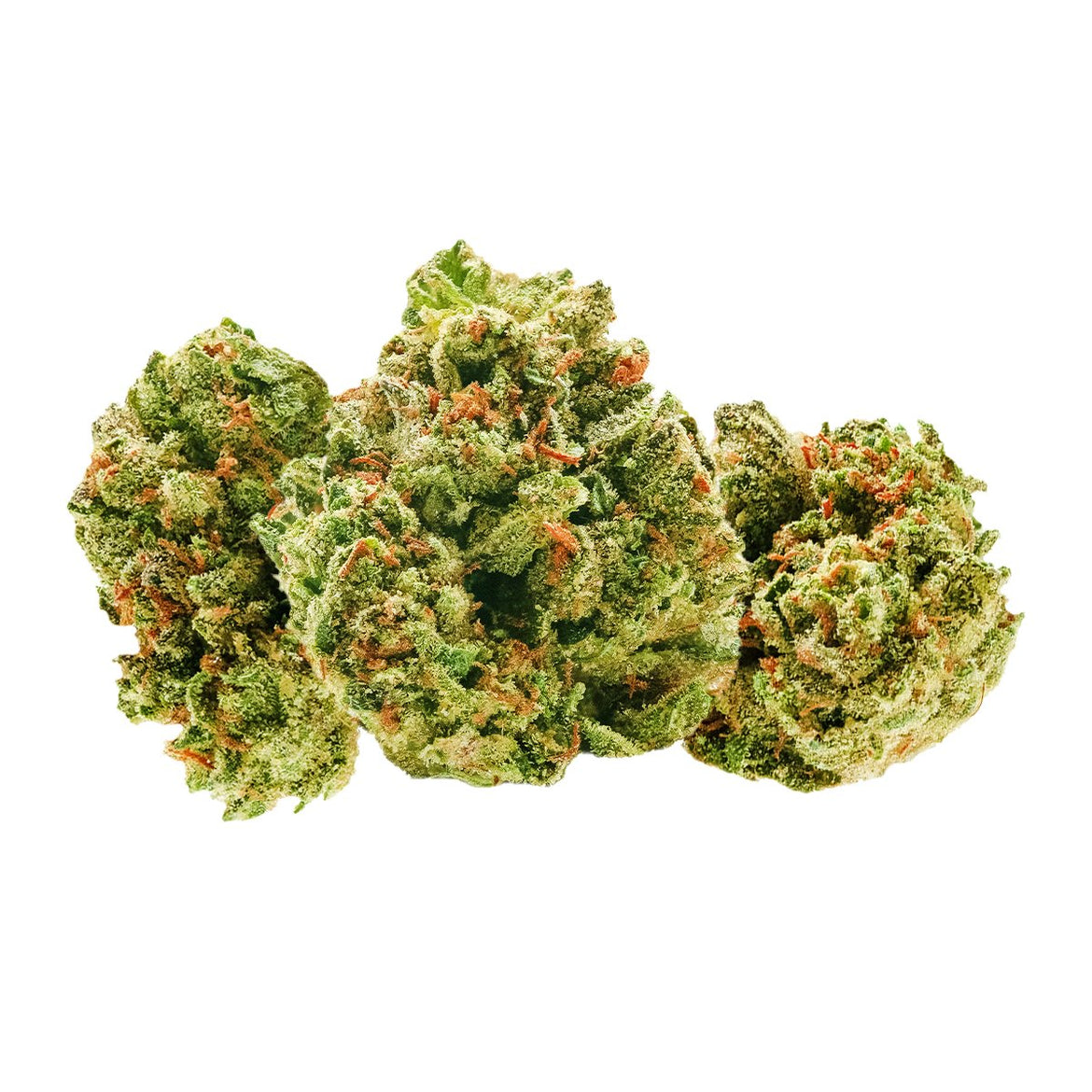
Examining Cannabinol as well as Cannabigerol
Cannabinol (CBN) together with cannabigerol (CBG) constitute a couple of less familiar cannabinoids that are gaining focus due to the distinct properties and possible medical benefits. Cannabinol can be often found in higher concentrations among mature cannabis plants, because it’s produced when THC breaks down as time goes by. Experts believe that cannabinol may foster relaxation as well as boost the quality of sleep, rendering it attractive to those seeking natural solutions to combat insomnia & anxiety. The relationship of cannabinol with the endocannabinoid system indicates it may assist in supporting a calming state without the psychotropic impacts typically linked to THC.
In contrast, CBG is often referred to as the "mother compound" among cannabinoids because it is a building block to numerous cannabinoids, such as CBD and THC. While found in smaller quantities in the cannabis species, cannabigerol is under investigation for its possible anti-inflammatory as well as neuroprotective effects properties. This cannabinoid has demonstrated potential via initial research concerning its capacity to help with conditions such as the treatment of glaucoma as well as IBD. With additional more research emerges, CBG's role regarding enhancing overall health and well-being is increasingly more prominent.
Together, CBN and CBG provide a varied range of possible therapeutic benefits which can complement cannabidiol & THC throughout the field of medicine. Their unique effects with modes of action could improve the effectiveness of products derived from cannabis. With focus on the potential of these cannabinoids goes on to grow, additional studies will shed light on how they interact with the body in humans & potentially revolutionize our approach to wellness & natural remedies.
Potential Benefits of CBD
Cannabidiol has gained popularity for its potential therapeutic effects, which many users have noted as advantageous. One of the most often cited advantages is its ability to ease nervousness and stress. Research suggests that CBD may work with binding sites in the central nervous system that influence emotional state and emotion, may providing relief for those who struggle with anxiety conditions. By promoting a sense of tranquility and relaxation, CBD may help people handle their daily stressors more efficiently.
An additional area where CBD shows promise is in discomfort management. Studies have proposed that CBD may have inflammation-reducing properties, making it a viable option for those suffering from chronic pain conditions such as joint pain or neuropathic pain. By affecting the endocannabinoid, CBD may help to diminish pain perception and improve overall comfort levels, allowing individuals to enjoy a better quality of life without the need for medicinal drugs.
Moreover, CBD is being studied for its neuroprotective properties, which could be beneficial for conditions such as seizure disorders and progressive diseases. Some studies have revealed that CBD can lessen the frequency and severity of epileptic episodes in specific forms of epilepsy, particularly in children. This has led to anticipation about the potential for CBD to offer relief where conventional treatments may be inadequate. As research continues, the full extent of CBD's benefits may continue to expand, offering hope to those with different health issues.
Legal Status and Usage
The regulatory landscape of CBD differs significantly globally and even within countries. In the US, the 2018 Farm Bill legalized hemp-derived CBD containing below 0.3 percent THC at the federal level. This has led to a surge in CBD products available on the store shelves, including oils, food products, and topicals. However, state laws can differ, with some states allowing only specific types of CBD or imposing further restrictions, making it essential for consumers to be informed about their local laws.
CBD's demand has increased, leading to an increase in its usage for various purposes. Many people claim using CBD for its potential health benefits, such as reducing anxiety, mitigating inflammation, and assisting with sleep disorders. However, while there is a considerable amount of anecdotal evidence and a few research studies supporting these benefits, more extensive clinical research is needed to fully determine the efficacy and security of CBD for these issues.
As the market for CBD grows, it is essential for consumers to be knowledgeable about product quality and source. Not all CBD products are created equal, and some may contain elevated amounts of THC or other cannabinoids like CBN or CBG beyond what is stated. Consumers should seek out third-party lab testing results and ensure they are purchasing products from reputable manufacturers to guarantee the safety and effectiveness.